
Round vs Rectangular Aluminum Foil Containers: How to Choose
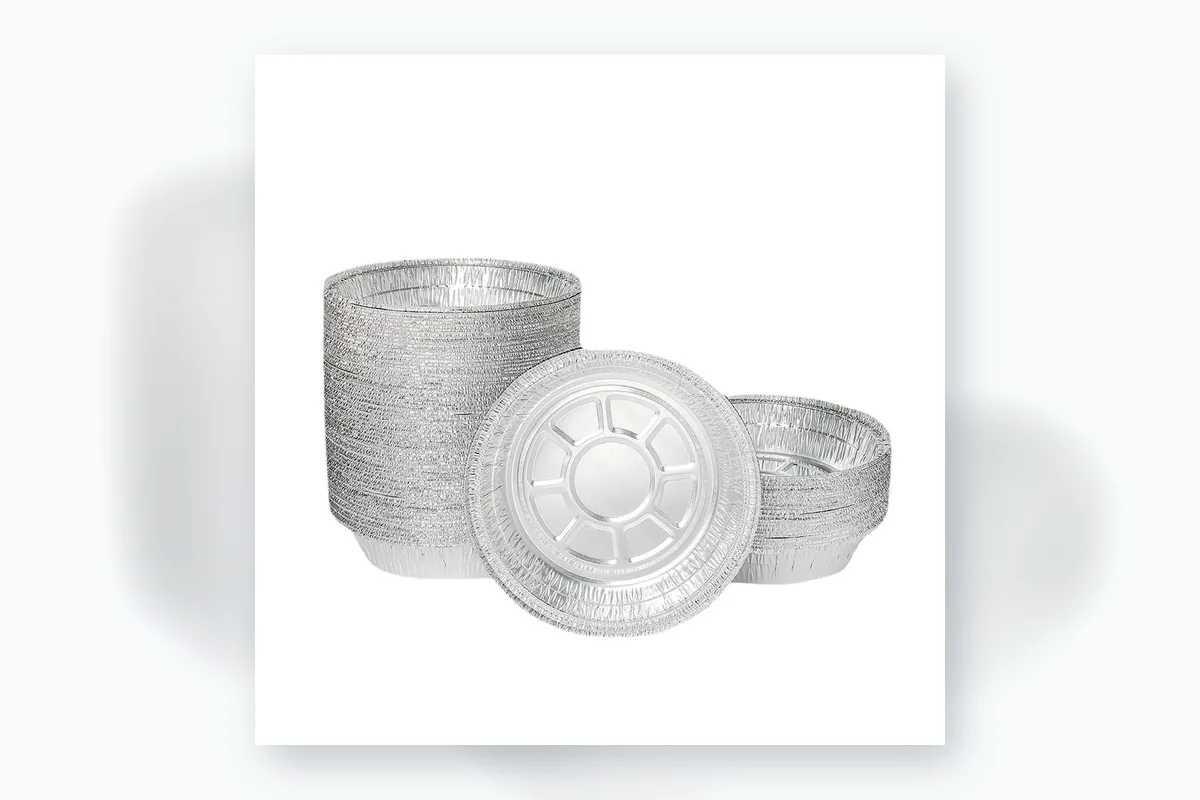
Shape is one of the first decisions buyers make when specifying aluminum foil packaging, and it influences far more than appearance. The choice between round and rectangular containers affects how you portion product, how units stack on the line and on the shelf, how efficiently they heat, and how many pieces fit in a shipping carton. For food manufacturers, caterers, cloud kitchens, bakeries, and retail private-label programs, matching the format to the application can reduce waste, protect margins, and improve the customer experience.
This guide breaks down the practical trade-offs between the two shapes so procurement and product teams can specify with confidence. If you want a tailored recommendation for your product line, our team can help you evaluate options through our packaging solutions program.
Why Container Shape Matters
Aluminum foil containers share many strengths regardless of shape: they conduct heat well, tolerate oven and freezer temperatures, and offer a recyclable material stream in many regions. Where round and rectangular formats diverge is in geometry, and geometry drives handling, filling, and logistics. Understanding these differences early helps avoid costly changes after tooling and artwork are locked in.
Round vs Rectangular at a Glance
| Consideration | Round Containers | Rectangular Containers |
|---|---|---|
| Portioning | Even heat distribution; suits single servings, dips, and desserts | Defined portions; suits sliceable meals and layered dishes |
| Stacking | Nests well; rotation-tolerant on the line | Nests well; benefits from consistent orientation |
| Heating | Fewer corners can support more uniform warming | More surface area for browning larger items |
| Shelf use | Efficient for cylindrical and grab-and-go items | Tends to use flat shelf and display space efficiently |
| Lidding | Board and foil lids common; simple seal geometry | Board, foil, and clear lids common for meal visibility |
| Carton efficiency | Some gaps between circles in a case | Often packs closely with less wasted space |
Portioning and Presentation
Round foil containers are a natural fit for single portions, dips, sauces, desserts, and dishes where an even, symmetrical presentation matters. Because there are no corners, product tends to fill and release predictably, which can help with consistency across a batch.
Rectangular foil containers excel where portions need to be measured, sliced, or layered. Lasagnas, casseroles, ready meals, and bakery slabs benefit from straight edges that make cutting and dividing straightforward. Rectangular formats also print and label cleanly on flat surfaces, which supports clear branding and nutrition panels.
Stacking and Line Handling
Both shapes are designed to nest for storage and to run on automated or semi-automated filling lines. Round containers can be an advantage where product rotation is unavoidable, since a circle presents the same profile from any angle. Rectangular containers stack tightly and travel well on conveyors, but they generally perform best when orientation is kept consistent through filling, sealing, and casing.
- Round: rotation-tolerant, forgiving on high-speed lines, simple to denest.
- Rectangular: space-efficient in transit trays, strong edges resist deformation, benefits from aligned handling.
Heating and Cooking Performance
Aluminum transfers heat quickly, so both formats reheat and bake effectively in conventional ovens. The differences are nuanced. Round containers have no corners where heat can concentrate, which can support more uniform warming for items like quiches, pot pies, and puddings. Rectangular containers offer more flat surface area, which can help with browning and even baking of larger, sliceable dishes. Always validate heating guidance against your specific recipe, equipment, and container gauge before publishing consumer instructions.
Shelf Use and Merchandising
On retail and grab-and-go shelves, rectangular containers often make efficient use of flat display space and align neatly in facings, which can simplify planogram compliance. Round containers can be effective for cylindrical or single-serve items and can create visual variety in a lineup. Consider how the container will be merchandised, whether it will be displayed with a printed lid, and how easily staff can restock it when deciding on shape.
Lidding Options
Lidding is often where the shape decision becomes concrete. Both formats support board lids, foil lids, and in many cases clear lids for meal visibility. Rectangular meals frequently pair with clear lids so customers can see the product, while round formats commonly use board or foil closures for dips, desserts, and soups. Explore compatible closures across shapes through our foil containers with lids range, and confirm seal integrity for transport and, where relevant, leak resistance for saucy items.
Carton Efficiency and Logistics
Case packing is a practical cost lever that shape directly affects. Rectangular containers tend to tessellate, meaning they can pack closely with relatively little wasted space inside a shipping carton, which may lower cost per unit shipped and improve pallet utilization. Round containers leave some gaps between circles, though nesting and thoughtful case design can offset much of this. When comparing quotes, look beyond piece price to units per carton, cartons per pallet, and the resulting landed cost.
Application Guidance
As a general starting point, match the shape to how the product is prepared, portioned, and presented:
- Choose round for dips, sauces, desserts, single servings, soups, and dishes where symmetry and even warming help.
- Choose rectangular for casseroles, ready meals, layered bakes, and any product that is sliced, portioned, or merchandised on flat facings.
- Consider specialty formats such as baking foil cups and molds when individual bake-and-serve portions or distinctive shapes support your product story.
Many product lines use both shapes across a portfolio, standardizing on a small set of sizes and lids to simplify inventory while still covering different dishes and price points.
Frequently Asked Questions
Are round or rectangular foil containers better for carton efficiency?
Rectangular containers often pack more closely because their straight edges tessellate, which can reduce wasted space in a shipping carton. Round containers leave some gaps between circles, though nesting and careful case design help. Compare units per carton and landed cost rather than piece price alone.
Can both shapes go in the oven and freezer?
Aluminum foil containers generally tolerate freezer and conventional oven temperatures, and both shapes conduct heat well. Suitability depends on gauge, lid type, and your equipment, so validate temperature and time guidance for your specific product before sharing consumer instructions.
Which shape is easier to lid and seal?
Both formats support board, foil, and clear lids. Round geometry can simplify seal design for dips and desserts, while rectangular formats pair well with clear lids for meal visibility. Confirm seal integrity and, where relevant, leak resistance for your contents and transport conditions.
Making the Decision
There is rarely a single right answer. The best format depends on your recipe, portion strategy, merchandising plan, and logistics targets. Weigh portioning and presentation against stacking, heating behavior, lidding needs, and carton efficiency, then test with your actual product and equipment before committing to tooling and artwork. If you would like help specifying sizes, gauges, and lids for your line, contact our team to discuss samples and a recommendation tailored to your application.
Looking for aluminum foil containers?
We supply food-grade aluminum foil containers for airlines, restaurants and food processors worldwide. Get a free quote today.
Get Free Quote → Browse Products