
Wrinkle-Wall vs Smooth-Wall Aluminum Foil Containers
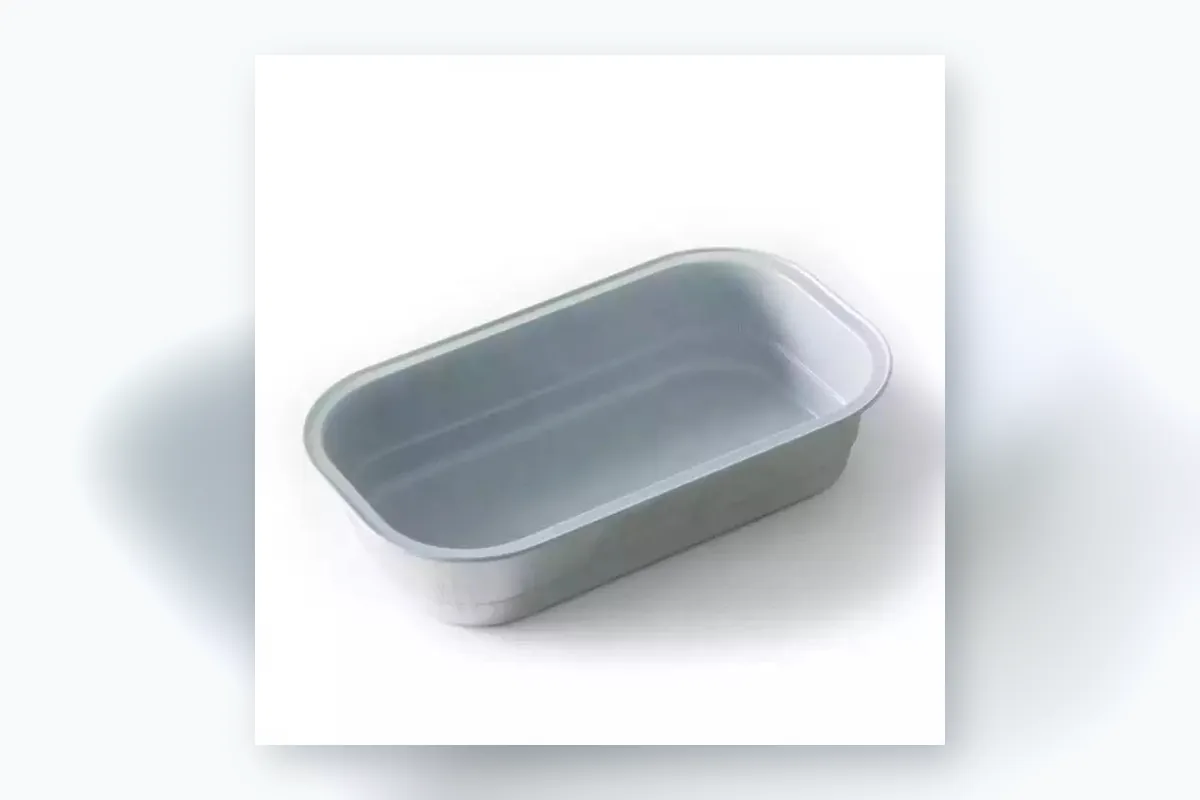
Aluminum foil containers are a workhorse of modern food packaging, but not all trays are built the same way. Two dominant construction styles — wrinkle-wall and smooth-wall — differ in how the sidewalls are formed, and that single difference influences rigidity, appearance, sealing behavior, lidding options, line automation, and unit cost. For procurement teams, caterers, and brand owners, understanding these trade-offs helps match the right container to the right application rather than defaulting to whatever is cheapest per piece.
This guide breaks down both wall types across the criteria that matter most on a production line and at the point of use. For a broader look at available formats, you can browse the full foil container product range before narrowing down a specification.
How the Two Wall Types Are Formed
The naming comes directly from the sidewall geometry that the press produces.
Wrinkle-Wall Containers
Wrinkle-wall trays are stamped so that the sidewalls carry a series of small pleats or corrugations, often described as flutes. These folds are an intentional result of the forming process: as the foil is drawn into the die, the material gathers into ridges that run up the wall. The pleats add mechanical stiffness and allow the container to be produced at high speed with relatively simple tooling. Most everyday takeaway and catering trays fall into this category.
Smooth-Wall Containers
Smooth-wall trays are formed with a deep-draw or ironing process that stretches the foil into clean, pleat-free sidewalls. The result is a flat, even surface that looks closer to injection-molded or CPET packaging. Achieving smooth walls typically requires more precise tooling and tighter control of the aluminum temper, which is why these containers are often positioned for premium, retail-ready, and heat-seal applications such as many airline and in-flight catering trays.
Technical Comparison at a Glance
| Criterion | Wrinkle-Wall | Smooth-Wall |
|---|---|---|
| Forming method | Stamped with pleated sidewalls (flutes) | Deep-drawn / ironed for pleat-free walls |
| Rigidity source | Corrugations add wall stiffness | Rigidity from wall thickness and geometry |
| Appearance | Visible ridges; utilitarian look | Clean, flat surface; retail-ready look |
| Rim / flange | Curled or folded rim; may vary slightly | Precise, even flange favorable for sealing |
| Lidding | Board, foil, or clip-on lids; press-on covers | Heat-seal film and precise snap-on lids |
| Automation fit | Broadly compatible; tolerant denesting | Suited to automated heat-seal lines |
| Typical cost driver | Lower tooling; efficient material use | Higher tooling; tighter process control |
| Common uses | Takeaway, bakery, catering, oven use | Retail meals, airline catering, premium lines |
Rigidity and Load Performance
Rigidity is where the two styles diverge most in practice, though the outcome depends heavily on foil gauge and container depth as well as wall type.
- Wrinkle-wall: The pleats act like miniature ribs, so a given gauge of foil can feel firmer along the wall. This helps thinner material hold shape during transport and reheating.
- Smooth-wall: Stiffness comes primarily from the drawn geometry and chosen thickness rather than corrugation. Well-specified smooth-wall trays can feel more solid and premium in the hand, particularly in shallower retail formats.
- Shared factors: For both types, deeper walls, thicker foil, and reinforced rims generally improve stacking strength and resistance to denting.
Appearance and Shelf Presence
For food service where the container is hidden inside a bag, the utilitarian look of wrinkle-wall trays is rarely a concern. For chilled ready meals, gifting, and premium grab-and-go, the flat surface of a smooth-wall container tends to photograph better and can carry printed sleeves or labels more cleanly. Brands that sell on shelf appeal often favor smooth-wall formats, while operators focused on function and throughput lean toward wrinkle-wall.
Rim Design, Sealing, and Lids
The rim is where forming quality shows up most at the packing stage. Because smooth-wall containers are drawn with tighter tolerances, they typically present a more uniform flange, which supports consistent film heat-sealing and reliable leak resistance for saucy or liquid products. Wrinkle-wall rims are commonly curled and pair well with board lids, foil lids, and press-on plastic covers.
If your program relies on secure closures, it helps to specify the lid and tray together. Explore matched foil containers with lids to align rim profile, lid type, and application from the start, rather than sourcing components separately and troubleshooting fit later.
Automation and Line Compatibility
Both wall types can run on automated equipment, but the sweet spots differ.
- Wrinkle-wall containers are widely used across manual and semi-automated operations and tend to denest and stack forgivingly, which suits high-mix catering and takeaway kitchens.
- Smooth-wall containers are frequently chosen for automated tray-sealing lines, where a consistent flange and stable geometry help maintain seal integrity at speed.
When planning volume production, it is worth validating denesting, filling, and sealing with samples on your actual equipment before committing to a format.
Cost Drivers to Weigh
Per-piece price is only part of the total cost picture. Consider the following when comparing quotations:
- Tooling: Wrinkle-wall tooling is generally simpler, which can lower entry costs for new sizes; smooth-wall tooling and process control are typically more demanding.
- Material efficiency: Wall type, depth, and gauge together determine foil usage per unit.
- Sealing consumables: Heat-seal film, board lids, and plastic covers each carry different ongoing costs.
- Line productivity: Faster, more reliable sealing can offset a higher container price in high-volume settings.
Choosing by Application
As a practical starting point, wrinkle-wall containers suit takeaway meals, bakery items, oven-ready dishes, and general catering where function and cost efficiency lead. Smooth-wall containers suit chilled and frozen retail ready meals, airline and rail catering, and premium presentations where appearance and heat-seal performance are priorities. Many buyers use both across a product line.
Standardized shapes such as rectangular foil containers are available in both wall styles and multiple depths, making them a flexible base for menus that span everyday and premium tiers. If your requirement falls outside stock formats, custom sizing, embossing, or lidding can be developed through an OEM and ODM program.
Frequently Asked Questions
Are both wrinkle-wall and smooth-wall containers oven safe?
Aluminum foil containers are generally suitable for conventional and fan ovens across both wall types, provided any lid or film is rated for the intended temperature. Because ratings depend on the specific product and closure, confirm the temperature limits for your chosen tray and lid combination before use.
Which wall type is better for heat-sealed lidding?
Smooth-wall containers are often preferred for film heat-sealing because their uniform flange supports consistent seals, which can help with liquid-containing products. Wrinkle-wall containers still seal well with board, foil, and press-on lids, so the best choice depends on your product and equipment.
Can I order both styles from a single supplier?
Yes. Many manufacturers offer both wall types across common sizes, along with matched lids. Sourcing from one partner can simplify specification and logistics. To discuss requirements or request samples, reach out through the contact page.
Looking for aluminum foil containers?
We supply food-grade aluminum foil containers for airlines, restaurants and food processors worldwide. Get a free quote today.
Get Free Quote → Browse Products