
Can Aluminum Foil Containers Go in the Oven, Air Fryer, Freezer or Microwave?
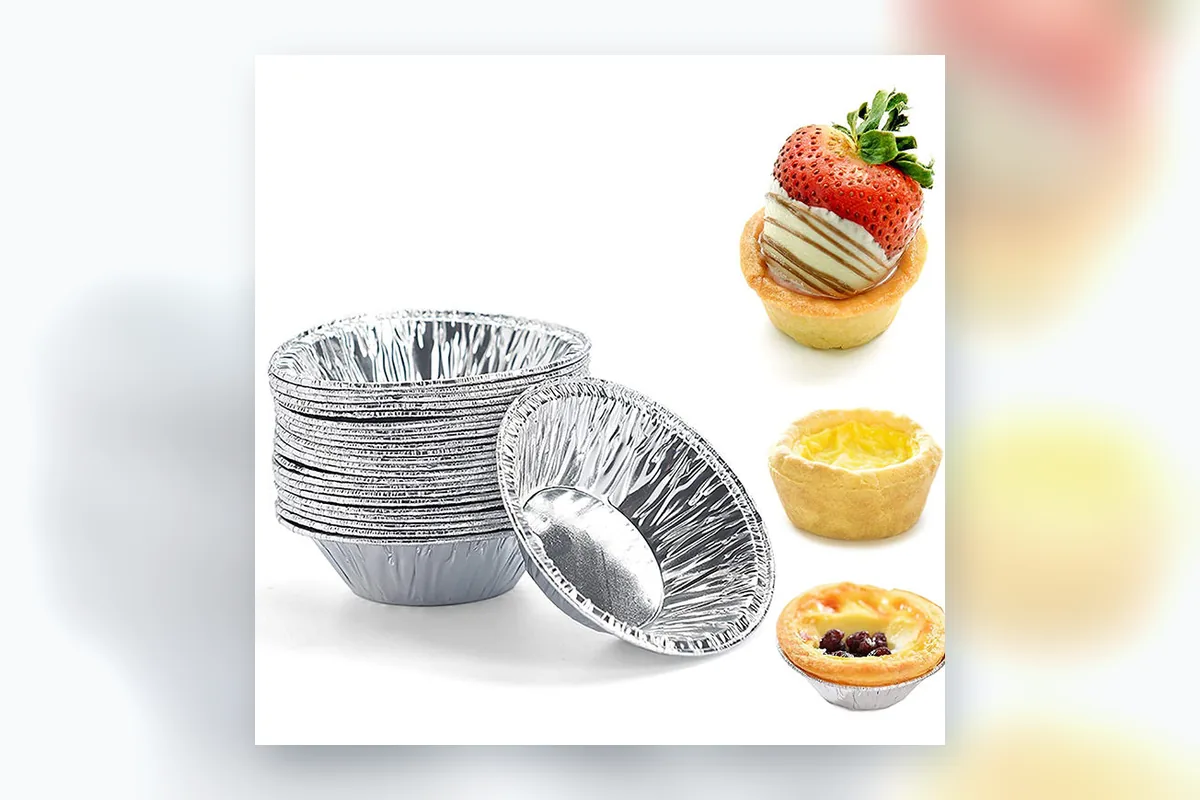
Aluminum foil containers are a workhorse of commercial kitchens, caterers, meal-prep brands and retail food packaging. They are lightweight and excellent at conducting heat; clean containers may also be recyclable where local collection programs accept them. But buyers and end users repeatedly ask the same practical question: which appliances are these trays actually safe for? The honest answer is that it depends on the appliance, the specific product, and how the container is used. This guide explains where aluminum foil containers perform well, where caution is required, and how to communicate safe-use instructions to your customers.
Before we go further, one distinction matters more than any other: a foil tray and its lid are not always made from the same material or rated for the same appliance. Many trays are supplied with board, plastic, or dome lids that have completely different heat and microwave tolerances. Always check tray and lid ratings separately, and follow both the container maker's and the appliance maker's instructions.
Appliance safety at a glance
The table below summarizes typical guidance for standard aluminum foil containers. Treat it as a starting point, not a substitute for the printed instructions on your specific product and appliance.
| Appliance | Foil tray (base) | Key conditions and cautions |
|---|---|---|
| Conventional / convection oven | Generally suitable | Stay within the appliance and container temperature limits; place on a baking sheet for stability; keep clear of heating elements. |
| Air fryer | Often suitable | Only if it fits without blocking airflow and does not touch the element; never run empty; secure so it cannot lift into the fan. |
| Freezer | Suitable | Excellent for freezing and freezer-to-oven workflows; cool food first and seal well to limit freezer burn. |
| Refrigerator | Suitable | Good for chilled storage; be mindful of highly acidic or salty foods over long periods. |
| Conventional microwave | Not generally safe | Do not put metal in a standard microwave unless both the container system and the appliance manufacturer explicitly permit it and instructions are followed. |
| Microwave-convection / combination oven | Only per manufacturer | Some combination ovens allow metal in oven modes only. Follow the appliance manual exactly. |
Aluminum foil containers in the oven
The oven is the natural home for aluminum foil containers. Aluminum conducts heat efficiently and evenly, which supports consistent baking, roasting and reheating. Standard foil trays comfortably handle typical baking and roasting temperatures, and they are widely used for everything from lasagnes and casseroles to roasted vegetables and baked desserts.
For reliable oven results, keep a few practices in mind:
- Respect the temperature limits printed by both the appliance and the container supplier, and avoid the broiler/grill setting where the tray could sit close to a direct element.
- Support filled trays on a rigid baking sheet. Foil is thin by design, so a sheet makes transfer safer and prevents flexing and spills.
- Position trays centrally so they do not touch oven walls or heating elements.
- Use oven mitts. Aluminum heats quickly and the rim and handles get hot.
If you supply trays with lids, confirm the lid rating separately. Foil lids are generally oven-compatible, while board and most plastic lids are not and should be removed before baking. Our foil containers with lids and round foil containers pages list the applicable ratings for each format.
Aluminum foil containers in the air fryer
An air fryer is essentially a compact convection oven, so aluminum foil containers can often be used inside one. The main constraint is airflow. Air fryers cook by circulating hot air rapidly around the food, and a container that is too large or badly placed will block that circulation and produce uneven results.
When using foil trays in an air fryer:
- Choose a container that leaves clear space around it so air can move freely; smaller baking foil cups and molds are ideal for single portions.
- Never operate the air fryer with an empty foil container. Always add food to weigh it down and give it a purpose.
- Make sure the tray cannot be lifted by the fan into the heating element. A light, empty or under-filled tray is a genuine hazard.
- Keep the container away from the exposed element and do not exceed the appliance's stated temperature.
Aluminum foil containers in the freezer
Freezing is one of the strongest use cases for aluminum foil containers. They tolerate very low temperatures without cracking or becoming brittle, and their heat conductivity actually helps food freeze faster. That makes them a natural fit for batch cooking, frozen ready meals and freezer-to-oven products.
To get the best results from frozen storage:
- Cool hot food before freezing so you avoid raising the freezer's internal temperature.
- Seal tightly with a compatible foil or board lid to reduce air exposure and freezer burn.
- Label with contents and date so stock rotation stays reliable.
- For freezer-to-oven meals, move the tray straight to a preheated oven and follow the reheating notes below. Do not subject a frozen tray to sudden extreme heat sources such as a broiler.
The microwave: proceed with caution
This is the appliance where the most confusion, and the most risk, occurs. As a rule, do not put metal, including aluminum foil containers, into a conventional microwave oven. Microwaves reflect off metal rather than passing through it, which can prevent even heating and, in the wrong conditions, cause arcing (sparks) that may damage the appliance or create a fire risk.
Never label all foil containers as microwave-safe. There are specialized microwave-compatible metal container systems and specific combination or microwave-convection ovens whose manufacturers permit limited metal use under defined conditions. In those cases, metal may only be acceptable when the container system and the appliance manufacturer explicitly allow it and every instruction, such as removing lids, keeping the tray away from cavity walls, and not stacking trays, is followed to the letter.
Practical guidance for you and your customers:
- Treat standard aluminum foil trays as not microwave-safe by default.
- For microwave reheating, transfer food into a microwave-safe dish, or use packaging specifically validated for microwave use.
- If a combination oven permits metal in oven mode only, keep the microwave function switched off while the tray is inside.
- When in doubt, do not microwave the container. The cost of a transferred dish is far lower than a damaged appliance.
Reheating best practice
Regardless of appliance, food safety depends on reaching a safe internal temperature. The USDA advises reheating leftovers to an internal temperature of 165 degrees Fahrenheit (74 degrees Celsius), verified with a food thermometer. Oven and air-fryer reheating in aluminum foil containers is straightforward; microwave reheating should be done in a suitable microwave-safe vessel unless the specific exceptions above apply.
Acidic and salty foods, and safe handling
Aluminum reacts with strongly acidic foods (such as tomato sauces, citrus and vinegar-based dishes) and very salty foods, especially during long storage or prolonged high-heat cooking. This reaction can cause pitting of the tray, small amounts of aluminum migrating into food, and off-flavors or discoloration. For short-term baking and reheating this is generally not a concern, but for extended contact it is worth managing.
- For long storage of acidic or salty dishes, consider a barrier such as parchment, or a coated/laminated container designed for the purpose.
- Avoid holding highly acidic foods in plain foil trays for extended periods in the refrigerator.
- Handle rims and corners carefully. Cut edges can be sharp, so train staff to lift trays by the base or with mitts.
- Do not reuse single-use foil trays for high-heat cooking once they are creased or damaged.
Choosing the right format for each application, whether that is a shallow tray for roasting, a lidded container for transport, or a mold for individual bakes, makes safe use much easier. Browse the full range on our products pages, and if you need help matching a container to a specific appliance workflow or food type, our team is happy to advise via the contact us page.
Authoritative references
Frequently asked questions
Can I put an aluminum foil container in the oven straight from the freezer?
Yes, foil trays are well suited to freezer-to-oven use. Remove any non-oven-safe lid, place the tray on a baking sheet, and reheat until the food reaches 165 degrees Fahrenheit (74 degrees Celsius) internally. Avoid exposing a frozen tray directly to a broiler or grill element.
Are aluminum foil containers safe in an air fryer?
They often are, provided the container fits without blocking airflow, does not touch the heating element, and is never run empty. Add food to hold the tray in place so it cannot be lifted by the fan, and stay within the appliance's temperature limit.
Can aluminum foil containers go in the microwave?
Not as a general rule. Do not put standard foil trays in a conventional microwave, because metal can cause arcing and uneven heating. Only use metal in a microwave when both the container system and the appliance manufacturer explicitly permit it and their instructions are followed. Otherwise, transfer the food to a microwave-safe dish.
Do acidic foods damage aluminum foil trays?
Highly acidic or salty foods can react with bare aluminum over time, causing pitting and off-flavors. For short baking or reheating this is rarely an issue. For longer storage, use a lined or coated container, add a parchment barrier, or transfer the food to a non-reactive vessel.
Looking for aluminum foil containers?
We supply food-grade aluminum foil containers for airlines, restaurants and food processors worldwide. Get a free quote today.
Get Free Quote → Browse Products