
How to Source Custom Aluminum Foil Containers: Mold, MOQ and Sampling
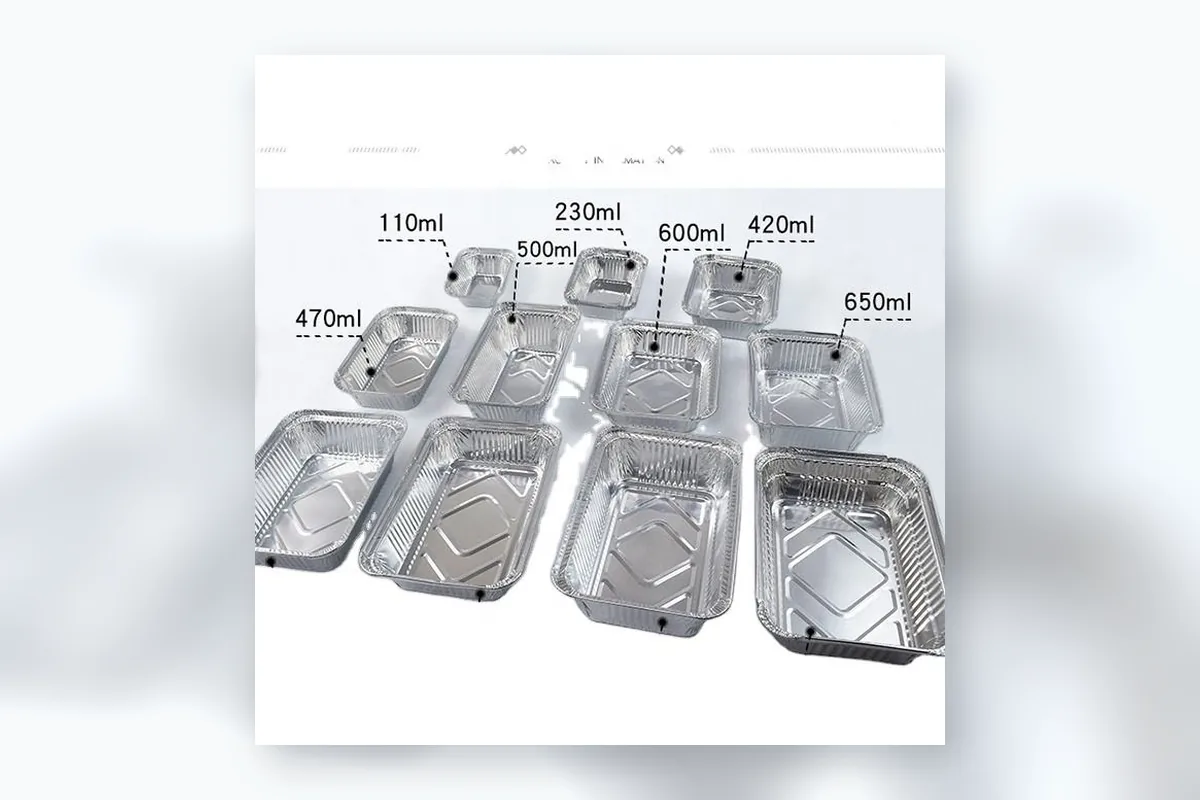
Custom aluminum foil containers look simple, but sourcing them well is a structured procurement exercise. Whether you are packaging ready meals, bakery items, airline catering, or takeaway portions, the difference between a smooth launch and a costly reorder usually comes down to how carefully you define requirements, validate tooling, and control quality before scaling. This guide walks buyers through the full workflow—from writing a clear specification to running a pilot order—so you can evaluate suppliers on the right criteria and avoid surprises at the mold, MOQ, and sampling stages.
Start by Defining the Requirement
Before you request a single quote, translate your product need into a written specification. A vague brief leads to mismatched samples, tooling rework, and delays. Capture the following:
- Application and fill: the food or product going into the container, fill weight or volume, and whether it will be frozen, ovenable, or microwavable.
- Dimensions and shape: target length, width, depth, and nominal capacity, plus whether you need smooth-wall or wrinkle-wall construction.
- Alloy, temper, and gauge: foil thickness and material grade appropriate to rigidity and sealing needs.
- Lid and sealing method: foil-board lids, film heat-seal, clear plastic lids, or lock-tab closures, and any curl requirement for sealing.
- Compartments: single or multi-cavity trays, and the partition layout if segmented.
- Regulatory market: the destination regions, since food-contact rules differ by market.
If you are still weighing formats, an experienced manufacturer's engineering team can help you converge on a practical design. Reviewing a supplier's packaging solutions and their OEM and ODM capabilities early is the fastest way to align expectations before tooling money is committed.
Check the Existing SKU Range First
The cheapest custom container is often the one you do not have to tool. Many buyers ask for bespoke sizes that are functionally identical to a standard shape already in production. Before commissioning a new mold, compare your target dimensions against the supplier's catalog. Browse the current aluminum foil container range and ask whether a stock profile can meet your fill weight, stacking, and sealing needs.
Choosing an existing SKU typically means lower unit cost, no tooling charge, faster availability, and proven quality history. Reserve full customization for cases where an existing profile genuinely cannot deliver the capacity, footprint, branding, or sealing performance you require.
From CAD to Mold: What Custom Tooling Involves
When customization is justified, the process moves into tooling. Expect the following sequence:
- 2D and 3D CAD: the supplier converts your specification into engineering drawings and a 3D model showing wall angles, depth, radii, and any lock tabs or stacking features.
- Design for manufacturability (DFM) review: engineers flag features that are hard to form, prone to tearing, or that compromise nesting and de-stacking.
- Mold fabrication: a stamping die is machined to the approved geometry. Tooling is a one-time capital item, so confirm who owns the mold, how it is stored, and the maintenance policy.
- Tryout shots: first-off parts are produced to verify the die before formal sampling.
Ask the manufacturer to explain their forming, trimming, and inspection setup. A transparent view of their manufacturing process tells you whether tolerances and repeatability will hold once volume ramps. Clarify tooling ownership, lead time, and any amortization terms in writing—do not assume these are standard across suppliers.
Sample Approval: Getting the First Article Right
Sampling is your control gate before mass production. Treat it as a formal first-article inspection rather than a casual look-and-feel check. Request samples that reflect the actual production tooling and material, then evaluate:
- Dimensional conformance against the approved drawing, measured with the tolerances you specified.
- Wall integrity and rigidity under your real fill weight and handling.
- Sealing performance with your intended lid or film, including seal strength and leak resistance.
- Cosmetic quality: no cracks, pinholes, sharp edges, oil residue, or forming marks in the sealing area.
- Functional testing for the end use—oven, freezer, or microwave exposure as applicable.
Approve samples in writing and retain a signed golden sample as the production reference. This signed standard becomes the benchmark for every subsequent lot and the basis for resolving any future quality dispute.
Food-Contact Documentation You Should Request
Because these containers touch food, documentation is not optional. Ask the supplier for the certificates and reports relevant to your destination markets, which may include food-contact material compliance declarations, migration or heavy-metal test reports, and quality-management system certification. Review the supplier's published certificates and compliance documents and confirm they cover the specific alloy, coating, and market you are selling into.
Keep these records on file for audits and customer requests. If your buyers require market-specific attestations, raise this during RFQ so the supplier can confirm coverage before you commit to tooling and volume.
Tolerances, Packing, and Logistics
Two areas quietly drive both quality complaints and landed cost: tolerances and packing.
Tolerances
Agree explicit tolerances for length, width, depth, wall thickness, and, where relevant, curl and lock-tab dimensions. Overly tight tolerances raise scrap and price; loose tolerances cause sealing and nesting problems. Set values that reflect real functional needs, and make them part of the approved drawing and the inspection plan.
Packing
Define how containers are counted, nested, and protected. Specify units per sleeve or bag, cartons per case, case dimensions and weight, pallet configuration, and labeling. Good packing protects sealing rims during transit and stabilizes your inbound receiving and warehouse counts. Confirm carton strength and moisture protection if the goods will ship or store in humid conditions.
RFQ Checklist for Custom Foil Containers
Use this checklist so every supplier quotes against the same scope, making bids genuinely comparable.
| Category | What to Specify or Request |
|---|---|
| Product use | Food type, fill weight/volume, oven/freezer/microwave requirements |
| Geometry | Dimensions, depth, capacity, wall style, compartments |
| Material | Alloy, temper, foil gauge, coating or lamination |
| Sealing | Lid type, film compatibility, curl and seal requirements |
| Tooling | CAD/DFM, mold ownership, tooling lead time and cost basis |
| Quality | Tolerances, AQL levels, inspection and testing plan |
| Compliance | Food-contact certificates and test reports for target markets |
| Packing | Units per carton, case and pallet spec, labeling |
| Commercial | MOQ, unit price by tier, lead time, Incoterms, payment terms |
| Order plan | Sample timeline, pilot order quantity, forecast volumes |
Request MOQ and lead-time figures directly from each supplier rather than assuming an industry norm—these vary by design complexity, alloy, and factory capacity. When your specification is ready, send it through the supplier's RFQ and contact channel so their team can respond against a complete brief.
Pilot Order, QC, and Change Control
With samples approved and documentation in hand, scale gradually. A pilot order validates the full production and logistics chain at limited risk.
- Run a pilot batch: order a smaller production quantity to confirm consistency at manufacturing speed, not just at sample scale.
- Define the QC plan: agree AQL sampling levels, in-process checks, and final inspection criteria tied to your golden sample and drawing.
- Test the packaging chain: verify that packing survives your actual shipping route and warehouse handling.
- Review results before scaling: address any dimensional drift, sealing issues, or cosmetic defects before committing to full volume.
Finally, establish change control. Any change to alloy, gauge, coating, tooling repair, or sub-supplier can affect fit, sealing, or compliance. Require written notification and re-approval for material or process changes, and re-validate a first article whenever tooling is repaired or moved. Documented change control keeps quality stable across reorders and protects you during audits.
Sourcing custom aluminum foil containers rewards discipline: a clear specification, an honest existing-SKU check, controlled tooling and sampling, verified food-contact documentation, and a staged pilot with real QC. Follow this sequence and you convert a deceptively simple part into a reliable, repeatable supply.
Frequently Asked Questions
Do I always need a custom mold for aluminum foil containers?
No. Many requirements are met by an existing standard profile, which avoids tooling cost and shortens availability. Compare your target dimensions and sealing needs against the supplier's catalog first, and reserve custom tooling for cases where no stock shape delivers the capacity, footprint, or sealing performance you need.
What should I check during sample approval?
Treat sampling as a first-article inspection. Verify dimensional conformance to the approved drawing and agreed tolerances, wall rigidity under real fill weight, sealing performance with your intended lid or film, cosmetic quality around the sealing rim, and functional behavior in oven, freezer, or microwave as applicable. Approve in writing and keep a signed golden sample.
Which food-contact documents should I request?
Ask for food-contact material compliance declarations, migration or heavy-metal test reports, and quality-management certification relevant to your destination markets. Confirm the documents cover the specific alloy, coating, and region you are selling into, and keep them on file for audits and customer requests.
Looking for aluminum foil containers?
We supply food-grade aluminum foil containers for airlines, restaurants and food processors worldwide. Get a free quote today.
Get Free Quote → Browse Products