
Private-Label Aluminum Foil Packaging Trends for Retail Buyers
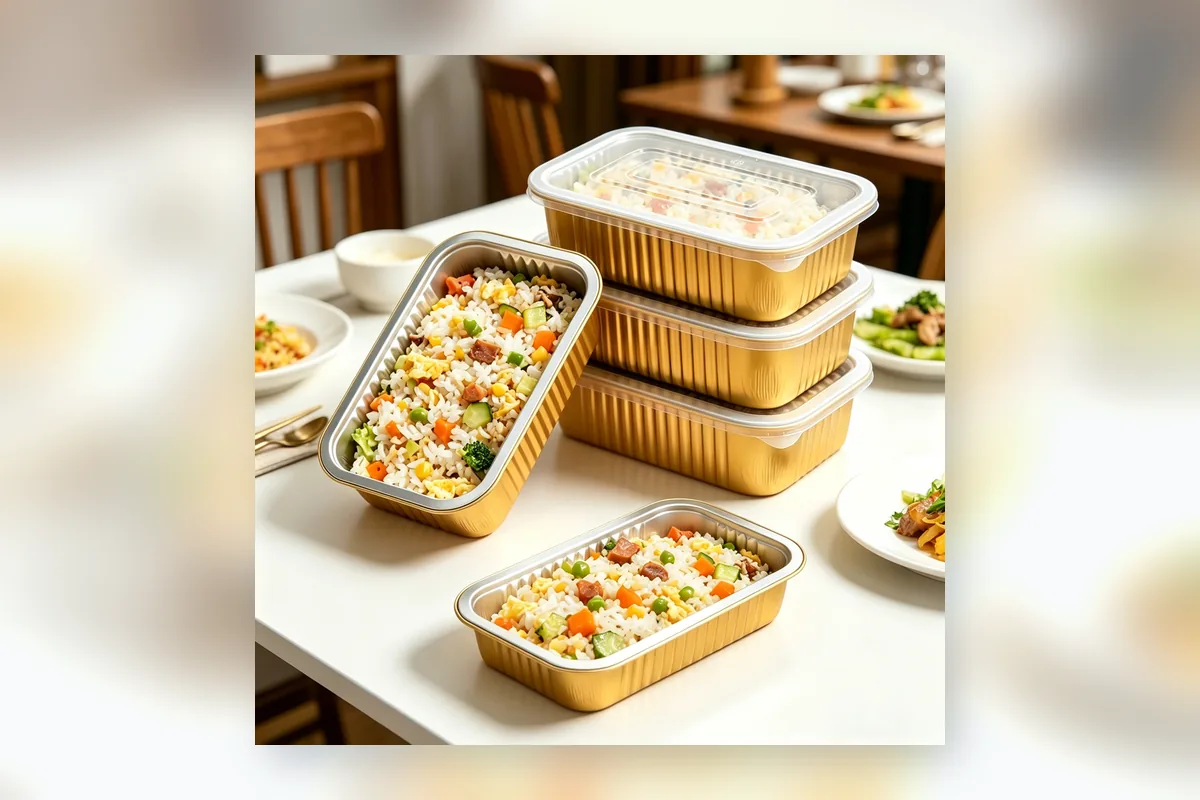
Private-label programs have moved from a margin play to a brand-building strategy, and aluminum foil is one of the categories where a retail buyer's decisions are most visible on the shelf and in the customer's kitchen. Foil rolls, sheets, pop-up sheets, and foil containers are high-frequency purchases that reinforce private-label quality perceptions with every use. For retail buyers building or refreshing an own-brand line, the winning programs are the ones that treat packaging as a system: pack architecture, material gauge, barcode and artwork control, traceability, claims substantiation, and mixed-SKU planning all have to work together. This guide walks through the trends shaping each of those decisions.
Why Private-Label Foil Is a Strategic Retail Category
Foil is a "trust" product. Shoppers judge it on how it tears, how it holds a fold, and whether the container survives the oven-to-table trip. Because performance is experienced repeatedly, private-label foil either builds loyalty or erodes it fast. That raises the bar for sourcing partners: buyers increasingly want a supplier who can manage the full pack, not just convert a coil. Aligning the roll program with a matching range of foil containers with lids lets a retailer present a coherent own-brand kitchen story across baking, storage, and takeaway occasions.
Pack Architecture: Designing Around the Shelf and the Kitchen
Pack architecture is the structure of the range—formats, counts, and dispensing—mapped to how shoppers actually buy and use foil. Get it right and you reduce SKU sprawl while covering real demand. Key architecture decisions include:
- Format tiering: standard household rolls, heavy-duty rolls, extra-wide rolls, interfolded pop-up sheets, and catering rolls each serve a distinct occasion. A clear "good / better / best" ladder helps shoppers trade up.
- Dispensing and closure: cutter-bar quality, roll-lock tabs, and reclosable cartons are frequent sources of returns and complaints, so they deserve early specification.
- Container pairing: matching containers to lids by footprint (for stacking and freezer fit) keeps the assortment intuitive and cuts mispicks in the warehouse.
- Secondary and transit packaging: shelf-ready cases, shipper strength, and cube efficiency directly affect replenishment labor and damage rates.
Documenting architecture up front also makes an OEM & ODM engagement far smoother, because the supplier can propose tooling and case configurations against a fixed range map rather than guessing.
Gauge and Material Selection
Gauge—the foil thickness, typically expressed in microns or mils—is the single biggest lever on both cost and perceived quality. Thicker gauges resist puncture and hold shape for grilling and roasting; thinner gauges suit everyday wrapping and cost-sensitive tiers. Buyers should specify gauge, alloy, and temper against a recognized reference such as ASTM B479, the standard specification for annealed aluminum foil for flexible barrier applications, rather than relying on a vague "heavy-duty" label. Consider the following when setting a specification:
- Application fit: match gauge to the highest-stress use the SKU claims to support (oven, grill, freezer).
- Consistency: tight thickness tolerance keeps tear behavior and roll length honest across production runs.
- Food contact compliance: confirm the material meets the applicable U.S. FDA food-contact requirements under 21 CFR for the intended use.
- Length integrity: stated square footage or meter count should be verifiable, since short rolls are a common consumer complaint and a compliance risk.
A well-specified aluminum foil rolls program documents gauge, width, core size, and count so quality is repeatable across suppliers and reorders.
Barcode and Artwork Control
Nothing stalls a private-label launch faster than a barcode that will not scan or artwork that fails brand review at retail. Treat data and print quality as a controlled process:
- GTIN assignment: follow GS1 General Specifications for barcode symbology, quiet zones, and placement so each SKU carries a valid, unique identifier.
- Print quality verification: grade barcodes to the ISO/IEC 15416 method that GS1 references, and require verification reports rather than a visual check.
- Artwork version control: lock a single source of truth for dielines, color builds, and legal copy, with a formal approval gate before plates are made.
- Regulatory copy: ensure net-contents, country-of-origin, and required statements are placed and sized to your market's rules.
Traceability from Coil to Carton
Retail buyers are under growing pressure to answer "where did this come from?" quickly—for recalls, audits, and supplier scorecards. Practical traceability means each finished pack can be linked back to its input coil, production line, and date. Build it in with:
- Lot and batch coding printed on carton and case, tied to production records.
- Coil-to-SKU records so a material issue can be scoped to specific lots instead of a full withdrawal.
- Mock recall drills with the supplier to confirm records actually resolve within your target window.
Supplier certification to a GFSI-recognized scheme (for example, BRCGS Packaging Materials) is a useful proxy that traceability and recall systems are in place and audited.
Substantiating Claims on Pack
Front-of-pack claims sell, but unsupported claims create legal and reputational exposure. Every claim needs evidence on file before it prints. For U.S. programs, environmental claims such as "recyclable" should follow the FTC Green Guides (16 CFR Part 260), which call for competent and reliable substantiation and clear qualification. Apply the same discipline to functional claims:
- Performance claims ("heavy-duty," "extra-strong") should map to a measurable gauge and a test method.
- Recyclability claims should reflect access to recycling for a substantial majority of consumers, per the Green Guides.
- Use claims ("oven-safe to X°F," "freezer-safe") should be validated for the specific product and stated with limits.
Mixed-SKU Planning and Assortment Strategy
Foil rarely ships as a single item. Mixed-SKU planning—how rolls, sheets, and containers are ordered, palletized, and replenished—determines landed cost and in-stock rates. Smart programs consolidate rolls and containers with one partner to simplify mixed pallets, harmonize case counts, and shorten the reorder cycle. Explore a full product range to see where consolidation is possible across the household and foodservice tiers.
Buyer-Priority Snapshot
| Priority area | What to specify | Why it matters to buyers |
|---|---|---|
| Pack architecture | Format tiers, counts, closures, case config | Covers demand while limiting SKU sprawl |
| Gauge & material | Microns/mils, alloy, temper, food-contact status | Balances cost against perceived quality |
| Barcode & artwork | GTIN, verification grade, locked dielines | Prevents launch delays and scan failures |
| Traceability | Lot coding, coil-to-SKU records, recall drills | Speeds audits and limits recall scope |
| Claims substantiation | Evidence file per claim, test methods | Reduces legal and brand risk |
| Mixed-SKU planning | Consolidated ordering, harmonized cases | Improves in-stock rates and landed cost |
Authoritative references
Frequently Asked Questions
What gauge should a private-label household foil roll use?
There is no single answer—gauge should match the toughest use the SKU claims to support. Everyday wrap tiers use thinner foil, while grilling and roasting tiers need thicker material. Specify the target thickness and tolerance against a recognized standard such as ASTM B479, and validate any "heavy-duty" claim against that measurable spec.
How do I make sure my private-label barcodes scan at retail?
Assign GTINs and format symbols per the GS1 General Specifications, then require print-quality verification graded to the ISO/IEC 15416 method GS1 references. Ask your converter for verification reports on production samples rather than approving by eye, and lock artwork with a formal approval gate before plates are cut.
Can one supplier handle both foil rolls and foil containers?
Yes, and consolidating usually helps. A single partner can harmonize case counts, simplify mixed pallets, and keep artwork and traceability consistent across the range. Discuss your architecture, volumes, and timeline with the team via the contact page to align tooling and lead times early.
Looking for aluminum foil containers?
We supply food-grade aluminum foil containers for airlines, restaurants and food processors worldwide. Get a free quote today.
Get Free Quote → Browse Products